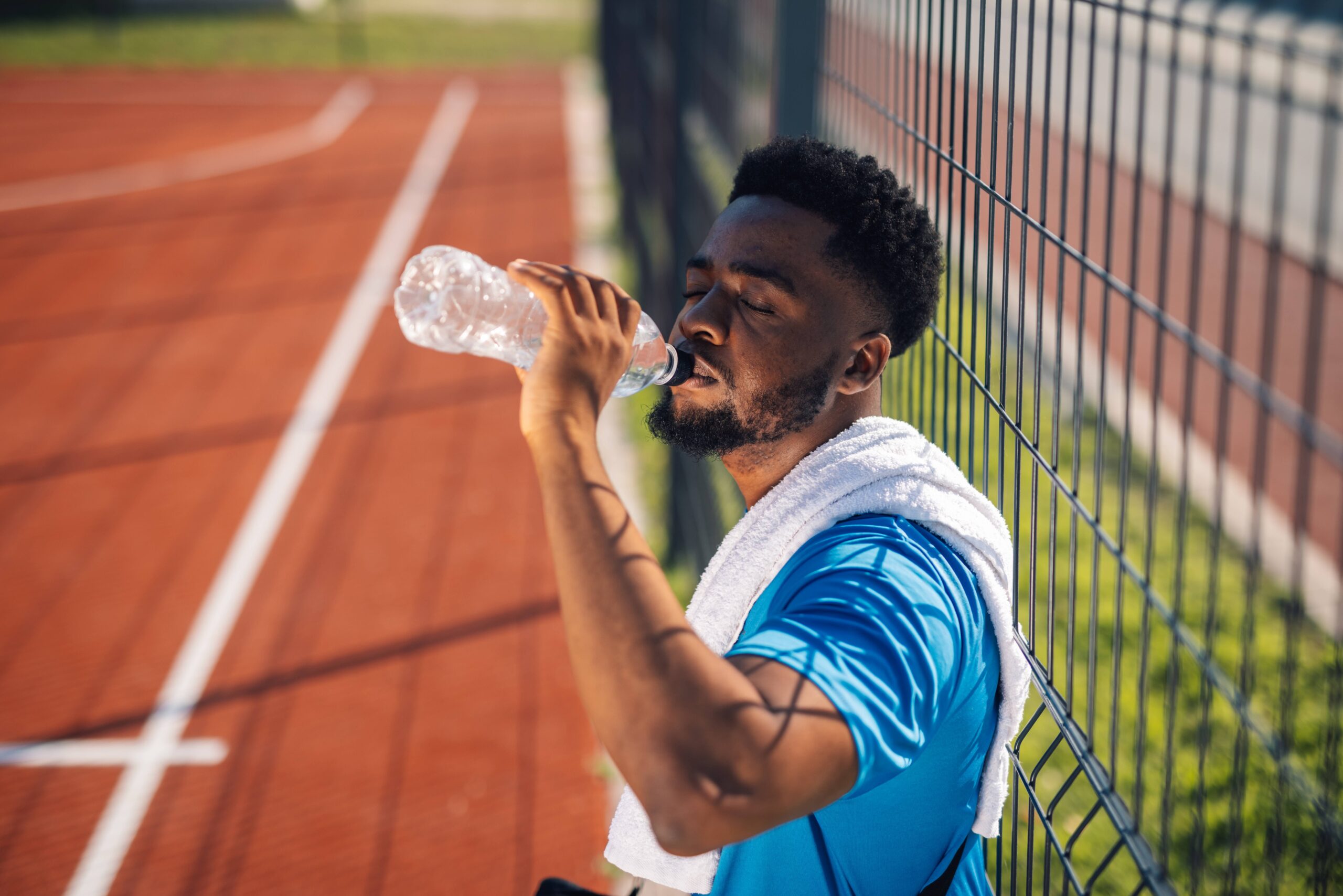
The Cambridge Dictionary defines a lifestyle simply: a person’s way of life and the things a person usually does. For an athlete, that lifestyle is the foundation of both wellbeing and potential – the set of habits and attitudes that shape how each day is built. Understanding what optimal performance takes means recognising how lifestyle affects readiness to train, to compete and to win. A balanced, healthy lifestyle is critical to success, and treating it as something minor or optional in athletic preparation has undone many athletes who had the potential for greatness.
What affects athletic performance?
In training, coaches focus – quite rightly – on the specifics and aims of the session. On match day, all attention goes to the game on the field. Keeping on top of the mounting detail demanded of the modern coach is no small task, and it draws time and energy away from preparation and training. Yet every lifestyle choice an athlete makes, whether food or sleep, feeds directly into performance. Educating athletes and giving them the means to make informed decisions about their lifestyle can pay back handsomely on the field.
Lifestyle factors that affect training and results
From sleep to peer pressure, a huge number of factors make up the daily life of most athletes. Education and mentoring are needed to help athletes along the road to success and to show them how to improve key areas beyond skill-specific training, which is where potential is unlocked. What follows is a closer look at the research behind several key factors – sleep, stress, nutrition, health and energy, motivation and relaxation – and at how small changes can bring big returns.
How sleep lifts the game
Running on too little sleep is often treated as a point of pride, even though it takes a real toll on safety, performance and health. For the brain and central nervous system to work at the very edge of their capacity, they first need rest. Research has shown sleep to be a clear predictor of sporting performance. Too little sleep, or poor-quality sleep, can trigger problems that touch physical and academic performance, cognitive function, recovery from training and injury, and mental and cardiometabolic health. Sleep is essential for the basics of life, whatever the occupation, which makes proper rest especially important for an athlete. The benefits include:
- fewer injuries
- improved reaction time
- faster sprints
- longer careers
- fewer mental errors
- greater accuracy
Teaching athletes how to improve their sleep hygiene, and how quality sleep feeds into results, can make a real difference.
How stress affects performance
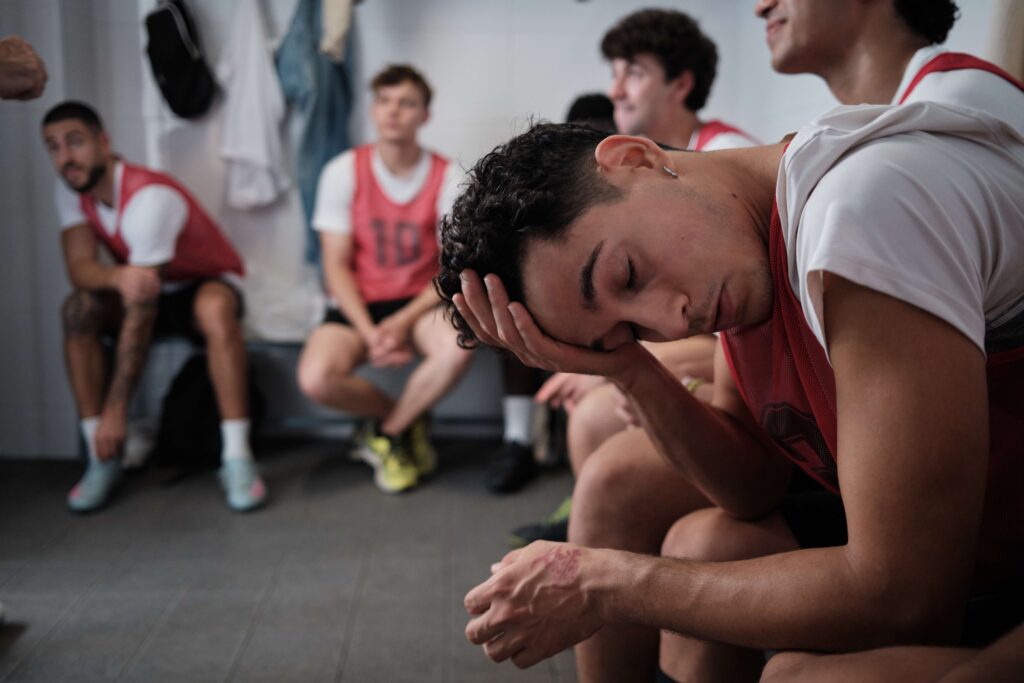
Athletes who learn to manage stress and anxiety, and to channel them into performance, are often the ones who succeed. At every level of competition, the key is coping with pressure and not letting it eat into results. That makes it vital to track stress levels and notice the tell-tale signs early enough to act before stress turns into a problem. Being aware of stress and where it comes from opens the door to tackling difficulties and reaching a peak in both life and sport. Left unmanaged, stress can wreak havoc on mental health and on the ability to perform.
How poor nutrition affects performance
Nutrition is the fuel athletes need, built from three components – carbohydrates, fats and proteins – and what is eaten shapes strength, endurance, recovery and wellbeing. The study “Nutritional and Lifestyle Support to Reduce Infection Incidence in an International-Standard Premier League Soccer Player” placed an illness-prone footballer on a 12-week plan that reshaped his diet and added sleep and hygiene protocols. Beforehand he had 3 upper respiratory infections, missing 3 matches and 2 weeks of training, often skipping breakfast while running a daily energy deficit. Raising his calories by 90% and adding quercetin and vitamin D kept him available for every session and match throughout.
Health and fatigue
Fatigue can be defined as extreme tiredness brought on by mental or physical exertion, or by illness. Acute fatigue sets in when muscle power drops and the strength and intensity an athlete needs to carry out an action fade away. It is a natural part of the high training and endurance demands of elite sport and must be paired with rest and recovery. Optimal results come when an athlete balances training with recovery. Where physical strain and emotional stress go unattended, fatigue can turn chronic, leading to constant tiredness, poorer sleep, weak results and a higher risk of injury and illness. An athlete’s lifestyle plays an important part here, since every side of it draws on the same pool of available energy. The warning signs can be tracked with suitable questionnaires and daily measures.

Motivation
Most elite athletes have a natural gift; what drives them is the harder question. Through self-determination theory, burnout is tied to chronic non-satisfaction of psychological needs – intrinsic motivation guards against it, while amotivation feeds it. Coaches shape both. The most successful are often not the fastest, just the best at staying motivated.
Relaxation
Anxiety is an unavoidable part of an athlete’s life, and since stamping it out entirely is all but impossible, what counts is how a person copes with it. Athletes need techniques that allow proper sleep and a healthy balance between stress and relaxation. Breathing exercises, time with family and friends, positive self-talk and visualisation are all ways to reach that balance. Relaxation skills help athletes lower stress, self-doubt, and mental and physical anxiety, while raising concentration and both physical and mental performance.
How Metrifit can help
Successful change comes from small steps in the right direction, not giant leaps. By tracking these areas, coaches can help manage the “24-hour athlete” and influence results for the better. Research into the relationships between athlete workloads, injuries and performance has underlined the value of athlete monitoring. Bringing in monitoring tools can be a way to reduce the harmful impact of stress and other lifestyle factors on athletes. Whatever monitoring tool or app is chosen for the athletes and the team, it is vital to understand what the monitoring is for and how the resulting data will feed into decision-making. Metrifit’s lifestyle-profiling product takes very little of busy athletes’ time – around 5 minutes a month – yet delivers practical insights to improve a team’s results and, more importantly, flags the key lifestyle factors affecting athletes’ health and wellbeing.